If you’ve ever dealt with toenail fungus, you know the frustration. You scrub, you clip, you try every stinky cream on the pharmacy shelf, and yet—the yellowing, thickening, and brittleness just keep coming back.
It’s a stubborn problem because most treatments only address the surface. They don’t fix the root cause: the internal environment that allows the fungus to thrive.
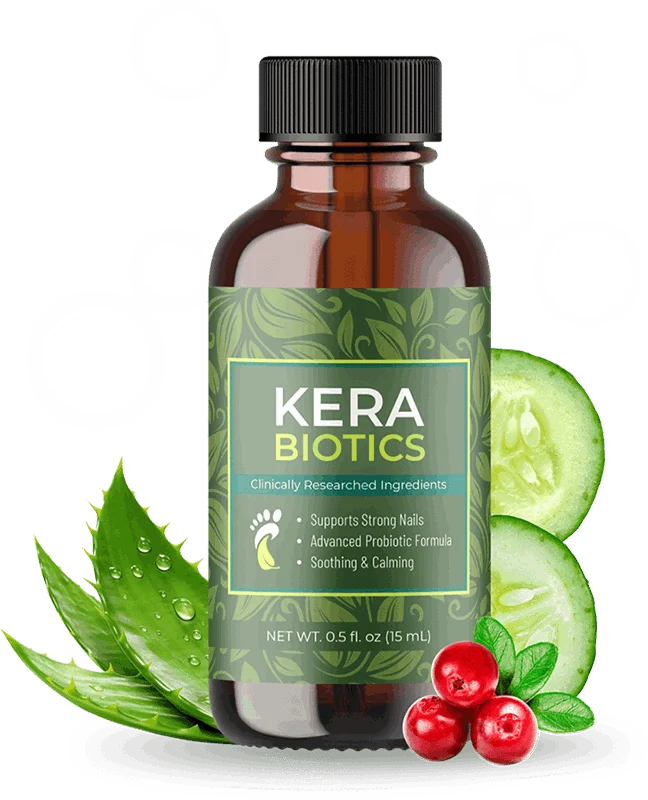
That’s where Kerabiotics claims to be different. Marketed as a systemic solution rather than just another topical band-aid, this supplement has been gaining traction for its internal approach.
But does it actually work, or is it just another expensive bottle of hope? We looked at the ingredient profile, the clinical rationale, and what real users are saying to help you decide.
Why Topical Treatments Often Fail
To understand why a supplement like Kerabiotics makes sense, it helps to look at why standard treatments fall short.
Fungus that infects the nail bed isn’t just sitting on top of your nail. It lives under the nail plate, deep in the nail bed and sometimes in the surrounding skin. Topical lacquers and creams struggle to penetrate the hard keratin barrier of the nail. Even if they reach the surface, they rarely deliver enough antifungal agent to the source of the infection.
This is why podiatrists often recommend oral antifungals. But those come with a catch: harsh side effects, including potential liver strain. Kerabiotics sits in the middle—a nutritional approach designed to support the body’s ability to fight the infection from within without the aggressive side effects of prescription drugs.
Breaking Down the Kerabiotics Formula
The effectiveness of any supplement hinges on its ingredients. Kerabiotics isn’t a single chemical antifungal; it’s a blend of vitamins, minerals, and plant extracts designed to create an environment where fungus cannot survive while strengthening the host (you).
Selenium and Zinc
These trace minerals are non-negotiable for immune health. Selenium is crucial for the production of antioxidant enzymes, while zinc helps regulate the immune response. For someone fighting a chronic fungal issue, deficiencies in these areas can leave the body unable to mount a proper defense. By ensuring adequate levels, the formula supports the body’s natural ability to suppress overgrowth.
Tea Tree Oil & Undecylenic Acid
While the capsule delivers internal support, these ingredients are often cited for their well-documented antifungal properties. Undecylenic acid, a fatty acid derived from castor oil, has been used for decades in over-the-counter antifungal remedies. When taken as a supplement, it works systemically to help balance the fungal flora in the body.
Vitamin E & Biotin
Fungus damages the nail structure. Even if you kill the infection, you’re left with a brittle, ugly nail that takes months to grow out. Biotin is the gold standard for nail health, improving thickness and preventing brittleness. Vitamin E acts as a potent antioxidant, helping to repair the oxidative stress caused by chronic inflammation and infection.
How to Know If It’s Working
Because nails grow slowly—fingernails about 3 mm per month, toenails even slower—patience is required. This is not a “fix it in a week” product.
Users typically report three phases of progress:
- The Stopping Phase (First 4–6 weeks): The progression of the fungus halts. The nail stops getting thicker or changing color.
- The Clearing Phase (Weeks 8–12): As the nail grows out, you’ll see a clear, healthy band of new growth at the cuticle. This is the most critical sign that the internal support is working.
- The Replacement Phase (4–6 months): Eventually, the healthy nail replaces the damaged portion. For toenails, full replacement usually takes 6 to 12 months.
Potential Side Effects and Safety
One of the main draws of Kerabiotics is its safety profile compared to prescription antifungals. Because it relies on vitamins, minerals, and natural antifungals, it is generally well-tolerated.
However, “natural” does not always mean “risk-free.” If you have a known allergy to tea tree oil or castor oil derivatives, you should avoid it. As with any supplement, it’s a good practice to run it by your doctor, especially if you are on blood thinners or have liver concerns, though the formula avoids the harsh synthetic agents typically associated with liver strain.
Kerabiotics vs. Prescription Pills
This is the comparison most people want to see.
| Feature | Kerabiotics | Prescription Antifungals (e.g., Terbinafine) |
|---|---|---|
| Approach | Nutritional support & natural antifungals | Synthetic chemical fungicide |
| Success Rate | High for mild to moderate cases; depends on immune response | High, but with risk of recurrence |
| Side Effects | Mild (digestive upset possible) | Potential liver toxicity, headaches, rash |
| Convenience | Over-the-counter supplement | Requires prescription and blood monitoring |
| Cost | Moderate; one-time purchase | Often covered by insurance, but co-pays add up |
For those who cannot take prescription antifungals due to liver concerns or who want to avoid harsh chemicals, Kerabiotics offers a viable alternative that focuses on long-term maintenance rather than aggressive chemical intervention.
8. Conclusion
Dealing with toenail fungus is often a marathon, not a sprint. The appeal of Kerabiotics lies in its logic: instead of just attacking the visible symptoms, it works to fortify the body’s defenses and starve the fungus of the environment it needs to grow.
Is it a miracle cure? Probably not for advanced, long-standing cases that require surgical intervention. But for the vast majority of people dealing with recurring, mild-to-moderate fungal issues, it represents a safe, natural, and scientifically-supported option.
The key takeaway is consistency. If you decide to try it, give it the time it needs—at least three months—to let the nail cycle do its work. For many users, that patience results in finally getting rid of a problem they thought they’d have to live with forever.
9. FAQ Section
Q: How long does it take to see results with Kerabiotics?
A: Most users notice the first signs of healthy new nail growth at the base of the nail within 4 to 8 weeks. However, complete replacement of a toenail can take 6 to 12 months depending on the severity of the infection.
Q: Can I use Kerabiotics with topical antifungal creams?
A: Yes. In fact, using a topical cream alongside Kerabiotics can provide a dual approach—fighting the fungus from the inside out while treating the external surface. Just be sure to let your doctor know you are combining treatments.
Q: Is Kerabiotics safe for people with diabetes?
A: While the ingredients are natural, diabetics must be extra cautious with foot and nail care due to circulation issues. You should consult your primary care physician before starting any new supplement if you have diabetes.
Q: Do I need a prescription to buy Kerabiotics?
A: No. Kerabiotics is a dietary supplement available over the counter. You do not need a prescription to purchase it.
Q: What if it doesn’t work for me?
A: Kerabiotics typically comes with a money-back guarantee. It is advisable to purchase directly through the official website to ensure you are covered by the refund policy in case you are unsatisfied with the results.
10. CTA
Ready to stop hiding your feet and start seeing clear, healthy nails again? Check the latest availability and exclusive offers on the official Kerabiotics website.

Read also
DentiCore Review: The Natural Dental Supplement for Stronger Teeth, Healthier Gums & Fresh Breath