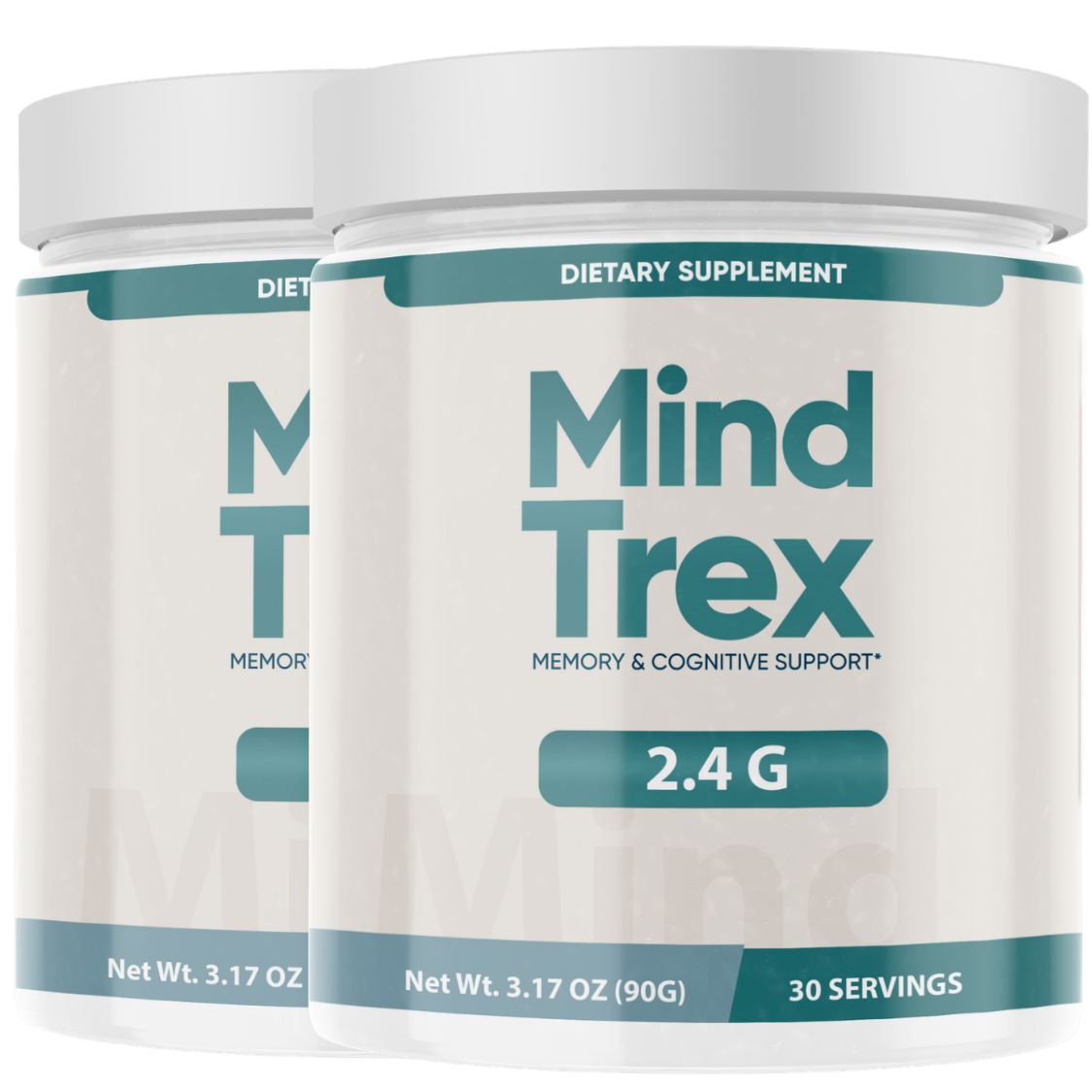
The global market for cognitive enhancement supplements has experienced remarkable growth over the past decade, driven by increasing consumer interest in optimizing mental performance, combating age-related cognitive decline, and seeking non-pharmaceutical alternatives for focus and memory support. Within this expanding marketplace, Mindtrex has emerged as a product claiming to offer comprehensive cognitive support through a carefully formulated blend of natural ingredients.
This comprehensive review examines Mindtrex from multiple perspectives: its formulation, the scientific evidence supporting its individual components, the critical gap between ingredient research and finished product efficacy, potential benefits and limitations, safety considerations, and practical guidance for consumers considering this supplement. By the end of this analysis, readers should possess a thorough understanding of what Mindtrex is, what it claims to do, and what the available evidence suggests about its potential role in cognitive wellness.
What Is Mindtrex?
Mindtrex is a dietary supplement marketed for cognitive support, specifically targeting mental clarity, focus, and memory function. Unlike traditional caffeine-based energy products or pharmaceutical nootropics, Mindtrex positions itself as a non-stimulant option for individuals seeking to support daily brain function through nutritional means.
The product is available in powder form, designed to be mixed into beverages rather than consumed as capsules. This delivery format may appeal to individuals who have difficulty swallowing tablets or prefer a beverage-based supplementation routine. The powder format also allows for flexibility in dosing and integration into existing morning or afternoon routines.
According to product information, Mindtrex contains six key ingredients: Citicoline, Lion’s Mane mushroom, L-tyrosine, Rhodiola rosea, magnesium L-threonate, and Alpha-GPC. Each of these components has been studied individually for various cognitive effects, though the specific finished Mindtrex formulation has not been the subject of controlled clinical trials. This distinction between ingredient-level evidence and product-specific evidence is fundamental to understanding what can and cannot be reasonably concluded about Mindtrex’s efficacy.

The Formulation: A Detailed Look at Mindtrex’s Ingredients
Citicoline
Citicoline, also known as CDP-choline, is a naturally occurring compound that serves as an intermediate in the synthesis of phosphatidylcholine, a major component of cell membranes. It is included in Mindtrex primarily for its connections to cholinergic signaling pathways, which play crucial roles in memory formation, learning processes, and overall cognitive function.
Research on citicoline has explored its potential in various contexts, including age-related cognitive decline and neurodegenerative conditions. A systematic review and meta-analysis published in Frontiers in Neurology examined the effects of choline alphoscerate and citicoline in patients with dementia disorders, finding that choline alphoscerate demonstrated significant improvements in clinical conditions compared to citicoline in certain measures. However, this research focused on clinical populations with diagnosed cognitive impairments, and results from such studies cannot be directly extrapolated to healthy adults taking a supplement for general cognitive support.
Lion’s Mane Mushroom (Hericium erinaceus)
Lion’s Mane mushroom, known scientifically as Hericium erinaceus, has attracted considerable attention in cognitive health research due to its bioactive compounds, particularly erinacines and hericenones. These compounds have been investigated for their potential to stimulate nerve growth factor (NGF) production and provide neuroprotective effects.
Clinical research on Lion’s Mane has yielded mixed results. One randomized controlled trial involving individuals with mild Alzheimer’s disease found that while the group taking Lion’s Mane scored higher on the Instrumental Activities of Daily Living test compared to baseline, no significant differences were observed in other cognitive assessments. Another study using 3 grams of Lion’s Mane powder in capsule form showed notable improvements in cognitive function for individuals with mild cognitive decline, though cognitive function reverted to baseline levels four weeks after discontinuation, suggesting the need for continuous intake to maintain effects.
L-Tyrosine
L-tyrosine is an amino acid that serves as a precursor to several important neurotransmitters, including dopamine and norepinephrine. It is included in Mindtrex for its connections to mental performance under challenging or stressful circumstances.
Research on L-tyrosine has primarily focused on its potential to mitigate stress-induced cognitive decrements. A review published in the Journal of Psychiatric Research examined tyrosine supplementation in clinical and healthy populations under stress or cognitive demands, finding that the benefits of tyrosine are most pronounced during situations of high demand or stress. The mechanism of action is thought to involve helping the brain maintain adequate neurotransmitter synthesis when demands are particularly elevated. However, the review noted that studies on chronic effects of tyrosine supplementation remain scarce, and long-term side effects have not been extensively investigated.
Rhodiola Rosea
Rhodiola rosea is an adaptogenic herb that has been used traditionally for centuries in cold climates for its purported effects on stamina, mood, and cognitive function. In Mindtrex, it is included for its connections to mental performance under stress and for addressing stress-related fatigue.
A recent randomized, double-blind, crossover trial published in Europe PMC examined dose-response effects of short-term Rhodiola rosea supplementation on anaerobic exercise performance and cognitive function in resistance-trained athletes. The study found that Rhodiola rosea consumption, regardless of dose or gender, significantly enhanced Stroop test outcomes, which measure executive function and cognitive flexibility. However, improvements in anaerobic cycling performance were minimal, and effects in trained athletes may not translate to general populations or everyday cognitive demands.
Magnesium L-Threonate
Magnesium L-threonate is a specific form of magnesium that has been investigated for its potential to increase magnesium levels in the brain, which could have implications for learning, memory, mood, and sleep. It is included in Mindtrex as a distinct type of magnesium examined for effects on brain tissue and synaptic function.
Research on magnesium L-threonate has shown some promising results, though with important limitations. A randomized, double-blind, placebo-controlled trial involving 100 adults aged 18 to 45 with self-reported dissatisfied sleep found that magnesium L-threonate supplementation was associated with greater improvements in overall cognitive performance as measured by the NIH Total Cognition Composite, with larger treatment effects on working and episodic memory. The study also reported a 7.5-year reduction in estimated brain cognitive age and improvements in reaction time. However, other cognitive assessments showed no significant differences, and the research was industry-funded, which raises questions about potential bias. A separate analysis noted that human research on magnesium L-threonate is highly limited, and more clinical trials are needed to confirm its effects.
Alpha-GPC
Alpha-GPC (L-alpha-glycerylphosphorylcholine) is a cholinergic compound that, like citicoline, is included in Mindtrex for its connections to cholinergic signaling. It has been studied for its potential therapeutic benefits in cognitive decline and neurodegenerative disorders.
A review published in Neuropsychiatric Disease and Treatment examined L-α-GPC in cognitive decline, noting that clinical trials have consistently shown benefits whether used alone or in combination with standard therapies. However, the review also acknowledged that current evidence is limited by heterogeneous trial designs, non-standardized endpoints, and underrepresentation of specific neurodegenerative populations. Additionally, a study on choline alphoscerate in mild cognitive impairment patients found that treatment was effective in attenuating structural progression of early neurodegenerative changes. As with other ingredients, these findings relate to clinical populations and cannot be directly extrapolated to healthy adults seeking cognitive enhancement.
The Critical Distinction: Ingredient Evidence vs. Product Evidence
One of the most important considerations when evaluating any multi-ingredient supplement is the distinction between evidence for individual ingredients and evidence for the finished product. This distinction is particularly relevant for Mindtrex because the specific formulation has not been tested in controlled clinical trials.
Research may demonstrate that a single compound has a biological effect or is being studied for a specific cognitive outcome. However, that does not prove the same outcome occurs when that compound is blended with five others in a commercial supplement. The presence of multiple ingredients introduces several variables:
Interactions between ingredients: Compounds can interact in ways that either enhance or diminish each other’s effects. Without studies on the specific combination, these interactions remain unknown.
Dosing considerations: The amount of each ingredient in Mindtrex may differ from the doses used in successful clinical trials. Without transparent labeling of exact quantities, consumers cannot assess whether the product provides clinically relevant doses.
Bioavailability: The form of each ingredient and the overall formulation can affect how well compounds are absorbed and utilized by the body.
Synergistic or antagonistic effects: Some combinations may produce synergistic benefits, while others may work against each other. Only studies on the specific combination can determine which scenario applies.
Because controlled clinical trials have not been conducted specifically on the final Mindtrex product, it is difficult to determine how much of any reported benefit is attributable to the whole formula, individual ingredients, expectation effects, lifestyle factors, or normal day-to-day variation. This is not a criticism unique to Mindtrex; it applies to most multi-ingredient supplements on the market. However, consumers should understand this limitation when evaluating marketing claims.
Potential Benefits: What Mindtrex Might Offer
Based on the properties of its individual ingredients, Mindtrex is marketed for several potential benefits. While these benefits are theoretically plausible based on ingredient research, they should be understood as possibilities rather than established outcomes for the finished product.
Mental Clarity and Focus
The inclusion of citicoline and Alpha-GPC relates to their connections with cholinergic signaling, which plays a role in attention and memory processes. These ingredients are theorized to support the brain’s ability to maintain focus and process information efficiently.
Memory Support
Several ingredients in Mindtrex have been studied for their potential effects on memory. Citicoline and Alpha-GPC relate to cholinergic pathways involved in memory formation. Lion’s Mane mushroom has been investigated for its neuroprotective properties, and magnesium L-threonate has shown some promise in supporting working and episodic memory in preliminary research.
Support During Mental Fatigue
The adaptogen Rhodiola rosea and the amino acid L-tyrosine have research backgrounds related to performance under stress and fatigue. Rhodiola rosea has been investigated for stress-related fatigue, while L-tyrosine has been studied specifically for challenging mental or environmental conditions. This research does not mean that taking these ingredients will automatically improve concentration in every healthy adult, and results from studies using different doses or formulations cannot automatically be extended to Mindtrex.
Non-Stimulant Cognitive Support
The product contains no caffeine or synthetic stimulants, meaning it is not designed to provide the rapid alertness associated with coffee or traditional energy drinks. This may be appealing to individuals who are sensitive to stimulants or who wish to support cognitive function without experiencing the jitteriness, elevated heart rate, or sleep disruption that can accompany caffeine consumption. However, those expecting a sudden boost in alertness may not experience the same noticeable sensation that comes with stimulants.
Limitations and Risks: What Consumers Should Know
The Ingredient-Product Evidence Gap
As discussed earlier, the absence of clinical trials on the specific Mindtrex formulation means that claims about its efficacy rest primarily on extrapolation from ingredient research. This is a significant limitation that consumers should weigh carefully.
Individual Variability
Responses to nootropic supplements can vary significantly from person to person. A formula that works well for one individual may produce no noticeable effects in another. This variability is influenced by factors including genetics, baseline nutritional status, overall health, diet, sleep quality, stress levels, and individual neurochemistry. This is not a flaw specific to Mindtrex but a reality of the supplement landscape generally.
Ingredient-Specific Safety Considerations
Different ingredients have different safety profiles, and when multiple compounds are combined, it becomes harder to identify which component caused an adverse reaction if one occurs. Some specific considerations include:
Rhodiola rosea: This ingredient should be used with heightened awareness in individuals taking medications that affect mood or blood pressure. As an adaptogen with potential effects on neurotransmitter systems, it may interact with certain psychiatric medications or cardiovascular drugs.
L-tyrosine: While generally considered safe, studies on chronic effects of tyrosine supplementation remain scarce, and potential long-term side effects should be more extensively investigated before drawing definitive conclusions.
Lion’s Mane mushroom: While generally well-tolerated in clinical studies, some individuals may experience digestive discomfort or allergic reactions to mushroom-based products.
Not a Substitute for Medical Evaluation
Persistent memory loss, significant concentration problems, confusion, or other new neurological symptoms warrant professional evaluation, not self-treatment with supplements. Cognitive changes can have numerous underlying causes—including thyroid disorders, vitamin deficiencies, sleep disorders, depression, medication side effects, and neurodegenerative conditions—that require proper diagnosis and treatment.
Website Trust Considerations
Consumers should be aware that the website associated with Mindtrex (mindtrex.online) has received a low trust score of 44 from ScamAdviser, with the domain appearing to be parked on a hosting system and receiving relatively few visitors. This does not necessarily indicate the product is fraudulent, but consumers should exercise caution and conduct their own due diligence regarding the seller’s legitimacy and customer service reputation before making a purchase.
Additionally, it is important to distinguish between manufacturing claims and regulatory approval. A supplement may be produced at an FDA-registered facility or under good manufacturing practices, but the specific finished product may not have received FDA approval for effectiveness. Dietary supplements in the United States are regulated differently from pharmaceutical drugs, and manufacturers are not required to prove efficacy before marketing.
Who Might Consider Mindtrex?
Mindtrex is primarily designed for healthy adults seeking nutritional support for daily cognitive performance. It may be particularly suitable for:
- Individuals who prefer a non-caffeinated approach to focus and memory support
- Those who have difficulty swallowing capsules and prefer a powder format
- Adults who are already maintaining foundational habits such as adequate sleep, regular exercise, balanced nutrition, and stress management
- People interested in exploring supplementation as a complement to, rather than replacement for, these lifestyle factors
It is not an equivalent substitute for professional evaluation of cognitive or neurological problems. Decisions about supplements for children and adolescents should be made with proper clinical or nutritional support.
Alternative Approaches to Cognitive Support
Before investing in a multi-ingredient nootropic supplement like Mindtrex, consumers might consider alternative or complementary approaches:
Lifestyle Fundamentals
Sleep hygiene, regular physical exercise, hydration, balanced nutrition, and structured work or study sessions have well-established roles in attention and memory. These factors are not subject to the same concerns about supplement-specific interactions and have broader health benefits beyond cognition.
Single-Ingredient Supplements
Taking one ingredient at a time can make it easier to identify what works and assess tolerance, though this approach is not inherently more effective. It does, however, simplify the process of determining which specific compound may be producing benefits or side effects.
Professional Evaluation
For clinically significant cognitive concerns, consulting a healthcare provider is the appropriate first step. Medical evaluation can identify treatable underlying conditions and provide guidance on evidence-based interventions.
Summary and Conclusion
Mindtrex is a non-stimulant cognitive supplement powder containing six ingredients with various research backgrounds. The formulation includes cholinergic compounds (citicoline and Alpha-GPC), ingredients studied for performance under stress (L-tyrosine and Rhodiola rosea), a mushroom with neuroprotective research (Lion’s Mane), and a specialized form of magnesium (magnesium L-threonate).
However, the specific finished product has not undergone controlled clinical trials. The evidence supporting Mindtrex’s individual ingredients cannot be directly extrapolated to the complete formulation, as ingredient interactions, dosing, and bioavailability in the final product remain unstudied. Potential users should weigh the ingredient-level evidence against the absence of product-specific research.
Consumers should also consider individual variability in supplement responses, consult a healthcare provider if they take medications or have health conditions, and view the supplement as complementary to—not a replacement for—healthy lifestyle practices and professional medical care when needed.
For those who choose to try Mindtrex, it is advisable to maintain realistic expectations, monitor for any adverse effects, and continue to prioritize foundational habits that support cognitive health. As with any supplement, the decision to use Mindtrex should be made with full awareness of both the potential benefits suggested by ingredient research and the limitations of the available evidence.